October 16, 2026
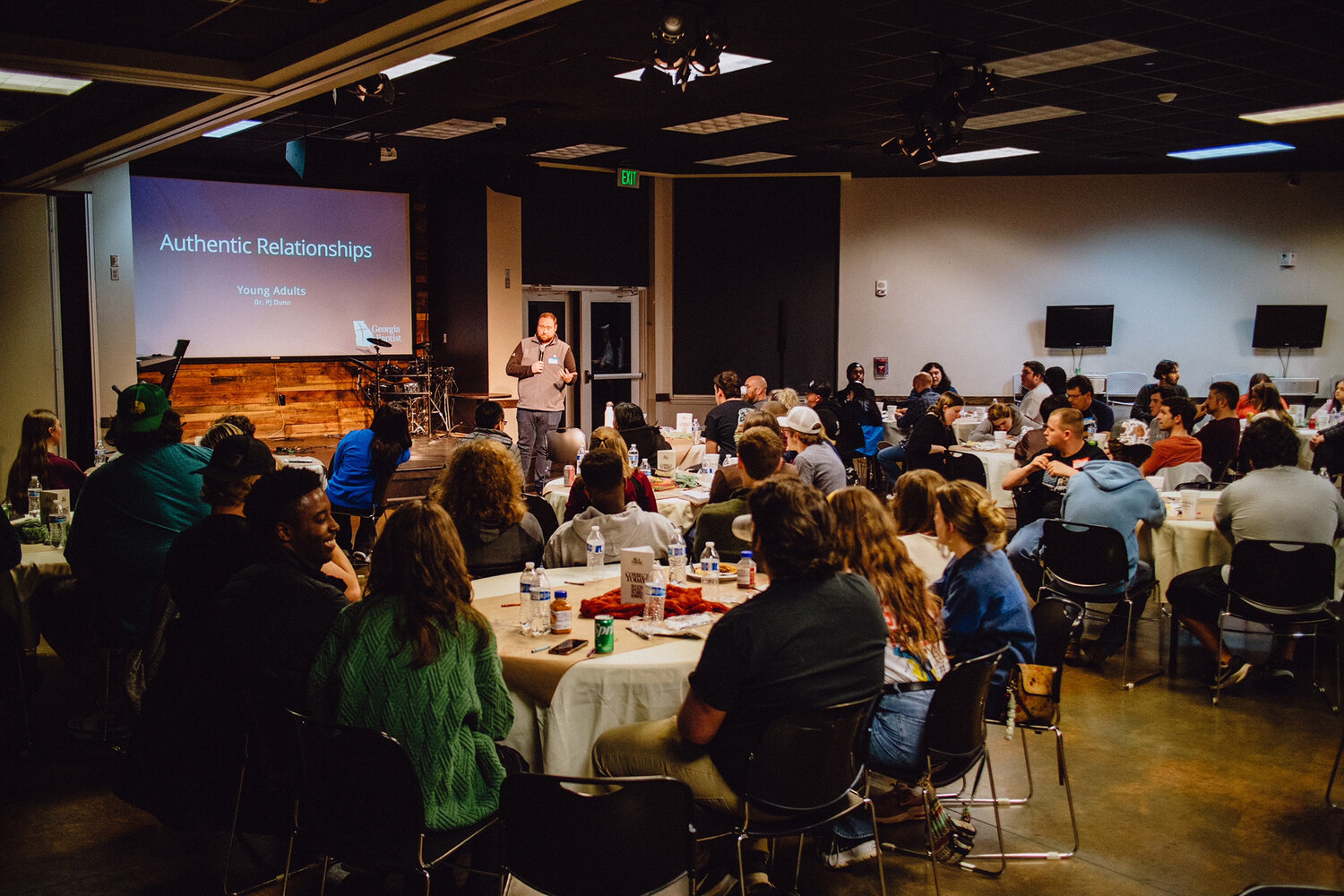
As you step up to welcome the congregation, your heart skips a beat. Is that a new young family? Will they be the first step in reaching young adults at your church? You’ve been working hard behind the scenes, upgrading the worship stream, revamping the website, and even making the occasional social media post. Maybe it’s finally paying off.
They smile. You greet them. They come back a few weeks in a row.
Then, nothing. Ghosted.
No conflict. No awkward moment. They simply fade away like others have before.
You convince yourself it’s not personal. Maybe they moved. Perhaps they stopped going to church altogether. But then it happens again. And again. Until someone asks in a leadership meeting the question you’ve been avoiding: “What happened to that young couple? You know, the ones with the toddler?”
Silence. Then you share, “Yes, we’ve had visitors, even a few young families. But we haven’t seen them recently. You know, young families don’t attend church like they used to.” Even with a reasonable response, the room sits heavy knowing there are more unanswered questions. What are we missing? Why are young adults not staying?
The truth is: Most churches don’t lose young adults on purpose. We lose them through habits, assumptions, and blind spots that subtly convey, “This isn’t for you.” Here are the top 10 ways churches unintentionally scare off young adults and how to stop doing it.
If young adults can’t find you, they won’t connect with you.
One free and highly effective way to reach young adults is for a church to claim its Google Maps church listing. Young adults want authenticity, and they’re using Google Maps, not just Google searches, to see who you are. A blank Google Business page might as well say: We’re not expecting guests. Upload recent photos. Add real descriptions. Ask members to leave a review. In 2025, your Google listing might be more powerful than your front sign.
If your last post was Christmas 2020, young adults wonder if you’re still meeting.
If your church isn’t posting on social media, it’s time for an honest conversation and not finger-pointing. You don’t need a social team, just a story. Start by asking one person each week to post a picture from Sunday. When your church is invisible online, it’s invisible to young adults.
Your website is your new lobby. If it’s cluttered, slow, or outdated, expect guests to walk out digitally.
A dated website or a hard-to-navigate website can be worse than having no website at all. Ensure your website is set up for success by removing dated information that’s challenging to keep updated or pages with little traffic. Less is more. Your website should say three things fast: You’re welcome. Here’s what to expect. This is how to connect.
If your church branding resembles a 1997 WOW Worship album cover, young adults may assume your ministry is outdated, too.
You don’t have to be someone else to reach young adults. Mismatched signs, logos, and colors don’t say vintage; they say unfocused. Clarify your message. Clean up your visuals. Show you care about what guests see—because they do.
If everything’s important, nothing is.
Young adults don’t want a schedule; they want an invitation. Use your calendar to guide you, not overwhelm your audience. Your church also may have outdated church management software (ChMS), if it has any at all. In 2025, young adults expect churches to communicate with them through updated technology. As a church, consider a ChMS, like Church Teams, to bring people together through calendars, email, texting, and more.
Don’t advertise programs. Tell stories.
If your discipleship strategy sounds like an event menu, it won’t connect. Lead with life-change and follow up with opportunities. Show them the “why,” not just the “when.”
Your paint color may not share the gospel, but it might lose a guest.
When we attend church every week, we can lose sight of how guests or young adults perceive our environment. It’s not about a specific style that appeals to young adults, but rather the intentionality behind that style, which has an updated feel and creates an atmosphere that says, “We were expecting you.”
Your greeters open more than doors; they open hearts.
Guest training matters. But culture matters more. A church where discipleship is the foundation will naturally be a place where new faces are noticed, named, and known.
Young adults can smell fake a mile away, and they won’t come back for seconds.
When trying to connect with young adults, be excellent in communicating who you are, because we serve an excellent God. Don’t be the church down the street. Be you. Be vulnerable in your communication and teaching by sharing real stories of struggle and hope.
If your why is unclear, your what won’t matter.
Your mission is more than a poster in the hallway or elevator. It needs to be a rally cry unique to your context and your church’s giftings. Young adults who can identify with a tag line or phrase tied to your mission can find an on-ramp to join you on the journey.
Young adults aren’t impossible to reach, but they’re easier to lose when we communicate poorly. The good news? The Bible hasn’t changed. Jesus still saves. And tomorrow brings another opportunity to advance the gospel to reach young adults in your community.
___
Dr. PJ Dunn is the regional discipleship consultant for North Georgia of the Georgia Baptist Mission Board. He can be reached at pdunn@gabaptist.org.This article appeared on Lifeway Research.
Share with others