October 2, 2026
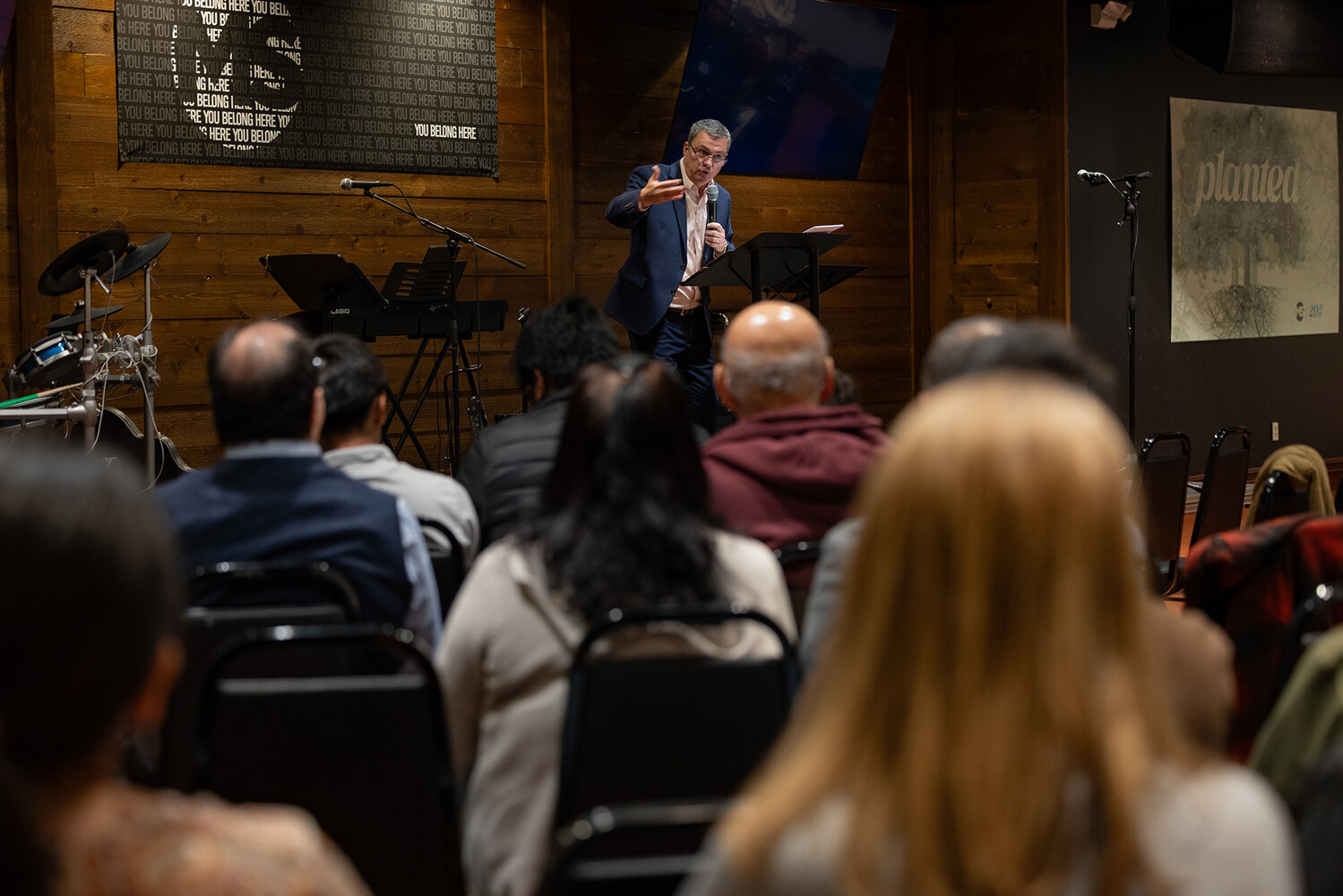



ATLANTA — The Georgia Baptist Convention held a Hispanic Preaching Conference on Monday, Nov. 10, as part of its 2025 annual meeting. Speakers focused on how churches can proclaim the Word of God and cultivate evangelistic cultures.
Rolando Castro, director of Hispanic partnerships for the Bible Training Centre for Pastors, opened the conference by teaching from Romans 10:13–14. He described a biblical pattern of salvation in which believers proclaim, explain, and expose the gospel to those who have not heard. As people listen to that message and believe, he said, “at that time, that person can call on the name of the Lord and be saved. That was true in the first-century world, and it is true in the 21st-century world.”
“If no one preaches to you, you cannot hear, and if you do not hear, you cannot believe, and if you do not believe, you cannot call on the name of the Lord, and if you do not call on the name of the Lord, you cannot be saved,” Castro added. “Today, this is in our hands.”
Alex Cosio, pastor of New Horizon Church at Woodstock, challenged churches to redefine how they understand and live out their purpose. He emphasized that the church is not merely an institution, but a movement sent into the world to participate in God’s mission to reconcile all people to Himself. Cosio called on believers to recover the church’s original identity as a community of disciples sent to serve and transform their communities and the nations with the gospel.
In addition to the main sessions, attendees took part in several breakout sessions on specific aspects of evangelism and ministry.
Pablo Marzili asked what the church would look like if Jesus were its pastor. He said Jesus would know the people in the community and understand what they think, what they need, and what they face in daily lives in order to preach the gospel effectively. Jesus would use familiar images to make his point, Marzili said, speaking about agriculture with farmers and fishing with fishermen.
Jesus did not rely on clichés or accumulated experience, Marzili told participants. Instead, he cared about dignifying people and, despite the crowds, was interested for individuals. Jesus was different, and people perceived and recognized this. Marzili emphasized that Jesus cared about people and went where the people were. He spoke with sinners, sat with lepers, went to tax collectors, transformed prostitutes, restored adulteresses, freed the demon-possessed, and healed on the Sabbath. Marzili said Jesus consistently demonstrated holiness, mercy and love, and that “these three qualities should characterize the church today.”
In his breakout session, Dennis Rivera, pastor of Fort Valley Baptist Church, discussed how to change a church culture to be more evangelistic by combining intentional gospel conversations and the power of prayer. He said believers should gather once or twice a week to pray for their community. At Fort Valley, they call this time “Bended Knees,” which meets on Wednesday mornings.
During these gatherings, members compile a list of people in the community and pray for them by name. They ask the Lord to sanctify them — to “put a circle around them” and fight the spiritual battle for them — and for the Lord to bless them, and for them to know it is God who is doing it. They also pray that there will be a conviction of sin. Rivera also encouraged believers to pray specifically for the spiritual blindness of the lost, drawing from 2 Corinthians, and warned against praying only in vague generalities.
Rivera highlighted key differences between a traditional “institutional” church and a “missional” one. Institutional churches, he said, often focus on maintaining programs and attracting attendees, while missional churches equip and send believers into their communities as everyday missionaries. His session offered practical steps for transformation: rediscovering God’s mission through teaching, reshaping leadership mindsets, engaging local communities, restructuring ministries around discipleship, and creating a culture of daily mission.
In her breakout session, Carolina Santander of Send Network talked about creating a culture of evangelism by living out the gospel intentionally in everyday life. She emphasized that evangelism is not an event or a program but a lifestyle. Her presentation invited believers — especially women in ministry — to integrate the gospel into everyday rhythms rather than simply adding more activities.
The goal, Santander said, is not activism but awareness: joining what God is already doing in our families, workplaces, and communities. Her talk was based on 2 Corinthians 5:17–21, which teaches that in Christ we are transformed from our old ways, reconciliation begins and is completed by God, every believer is entrusted with both a message and a ministry of reconciliation, and we represent Christ as we share his message with the world.
Santander urged listeners to examine their spiritual health and evangelistic engagement and to reflect on personal growth in their souls, marriages and families, and ministries. She encouraged attendees to embrace the mission field in front of them and to understand their communities, to plan intentionally for meaningful conversations, to pray specifically for the lost and build authentic relationships, and to celebrate obedience more than outcomes. Churches, she said, should share stories of gospel conversations and rejoice in small steps of obedience as well as new salvations.
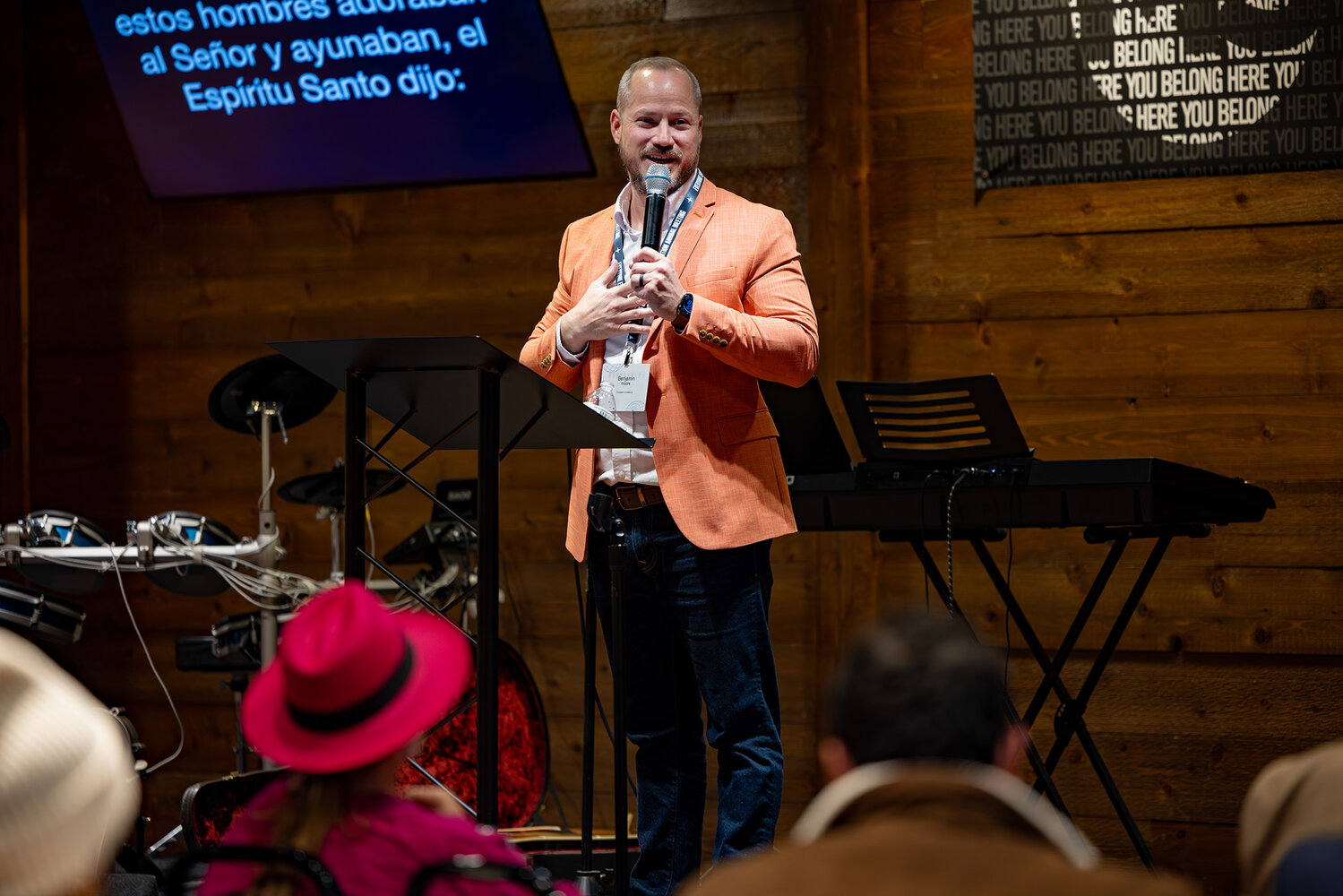
Benjamin Moore, pastor of Salem Bilingual Church and youth pastor at Salem Baptist Church in Dalton, closed the conference by preaching from Romans 10:13–15, 17. The passage declares that everyone who calls on the Lord will be saved and asks how the lost can call on Him if they have never heard. Moore said research shows more people are interested in hearing the gospel than Christians are in sharing it.
People need to know, Moore said, so believers must go and tell. Since people are going, the church must support them in every way it can. And when believers go, they must be willing to share the gospel. He concluded that the way God’s people respond is by praying, giving, and going.
Share with others


